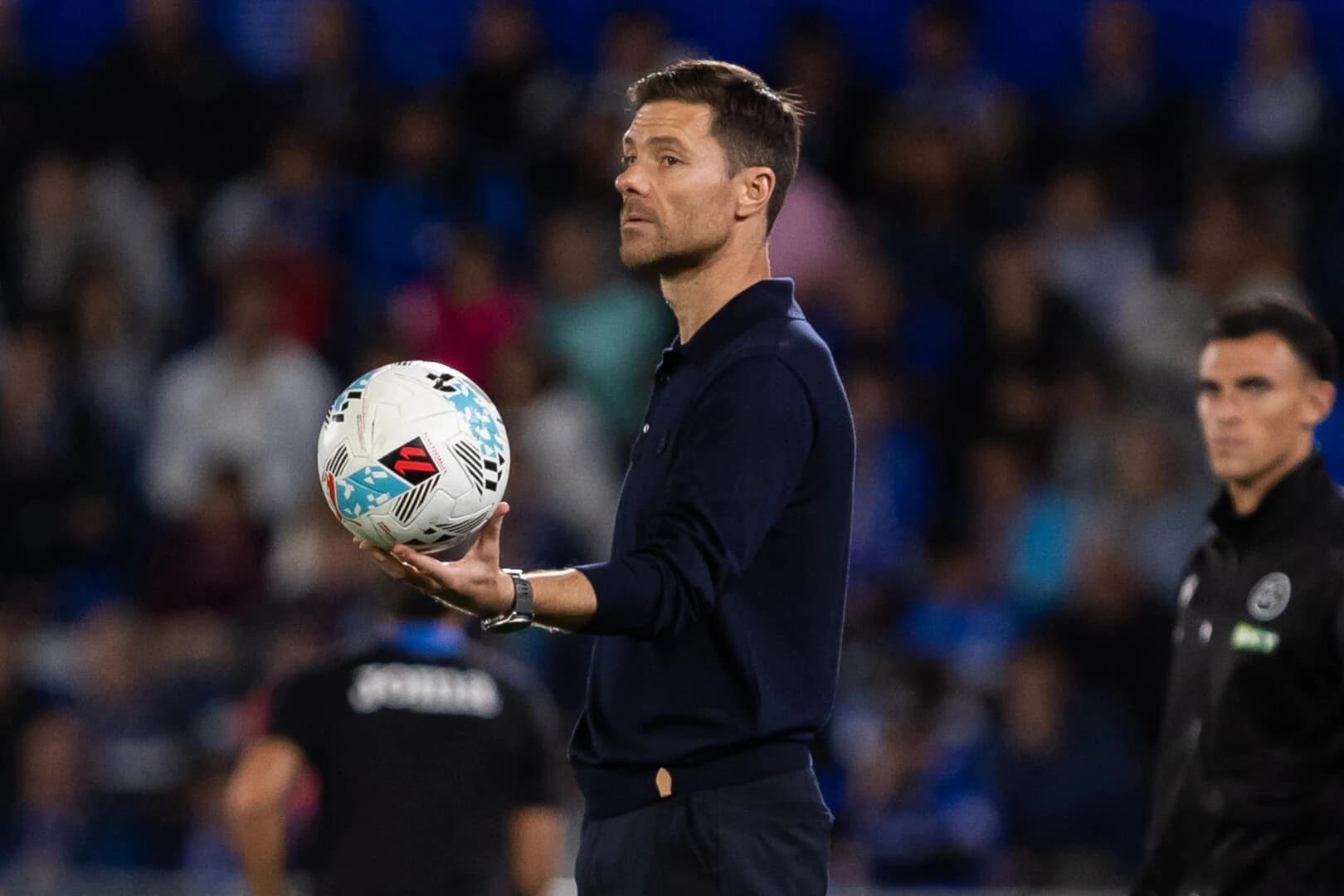
The departure of Xabi Alonso has left Real Madrid exposed in ways that go far beyond the touchline, revealing a tactical vacuum that had been quietly forming long before his exit. It would be intellectually dishonest to place the entirety of the blame on a coach who inherited a squad riddled with structural weaknesses, particularly in defence, where recurring injuries and declining physical sharpness have stripped the side of consistency and authority. The team’s inability to impose itself in key matches, most notably in the Madrid derby, was not simply the product of poor preparation, but the visible outcome of a system that never truly aligned with the players available.
The absence of a clear on field leader has been especially damaging, as the fluid associative football traditionally associated with Madrid dissolved into disjointed passages of play. Possession became a burden rather than a weapon, frequently ending in speculative long balls or careless turnovers in dangerous areas. This breakdown in cohesion has created a sense of frustration both within the squad and among supporters, reinforcing the perception of a team operating without conviction, identity, or collective purpose.
Boardroom Decisions And Squad Stagnation
While the technical area has borne the brunt of public criticism, the deeper responsibility lies within the strategic decisions made at boardroom level. The club’s leadership has opted for continuity in personnel at a time when renewal was clearly required, masking a lack of reinforcements behind short term managerial changes. The underperformance of key attacking figures forced Alonso to experiment with systems that felt improvised rather than intentional, exposing the limitations of a squad that appears to have reached the natural end of its competitive cycle.
By choosing to make a clean break with the coach, the hierarchy has attempted to offer a symbolic reset to a wounded fanbase still reeling from humiliation at the hands of their eternal rival. Yet this gesture risks being little more than a temporary salve, as the fundamental issues remain unresolved. The erosion of hunger and internal competition within the squad points to a broader cultural stagnation, one that cannot be corrected without confronting uncomfortable truths about recruitment, squad planning, and long term vision.
Pressure Cooker Search For Direction
The focus now shifts to the search for a new leader capable of navigating an environment saturated with expectation and impatience. The Real Madrid coaching position has once again become one of the most volatile roles in European football, with the incoming figure tasked with rescuing a season drifting toward premature failure. Any successor will inherit the same imbalances that undermined Alonso, a midfield in need of renewal and a defensive unit lacking stability, making the margin for error perilously thin from the outset.
Recent history offers little comfort, as stopgap solutions have repeatedly failed to address problems rooted in structure rather than form. Transforming a collection of talented individuals into a cohesive and resilient team represents the true challenge facing the club. The dismissal of the coach may alter the immediate mood, but the restoration of Madrid’s competitive essence will depend on decisive intervention, clarity of direction, and the willingness to rebuild rather than merely react.